
SPOILER ALERT!
Choose A Plumbing That You Can Depend On
Content author-Malloy Dahl
Ready to make plumbing work for you? Great, time to get started! Wait, how do you do that and how do you get started? Never fear, here are some plumbing tips! This collection of advice should provide you with just the right amount of knowledge and inspiration to do your own plumbing.
Wait until a job is done before you pay for it. You may be required to put some money down before a job is started, but never pay the total cost until you know the job has been completed correctly. If you pay everything up front, you have no recourse if the plumber doesn't finish the job or doesn't do it correctly.
You don't want to end up with frozen pipes, so take preventive action, such as wrapping outside pipes with insulation, and keeping indoor temperatures above freezing at all times. Your plumbing can freeze if the air around it is below 32 degrees. If Read Home Page are lucky, you will only experience a minor inconvenience until the pipes thaw. However, they might burst, which will cause an enormous mess and repair bill.
If your toilet is slow to flush, add some white vinegar to the overflow tube. White vinegar helps the water from your tank to flow quickly, which will make the toilet flush faster. It is recommended that you use about a quart of the vinegar and let it stay there for at least an hour before flushing.
To winterize a house that will sit unused during the winter months, you must completely drain all of the pipes. After turning off the main water supply, let all of the water drain from the faucets, toilets, and water heater (turn off the gas). Add a quart of antifreeze to sinks and the tub to prevent water from freezing in the drain trap.
Do not be surprised if a plumber charges you more than you expected. Many customers think that fixing a toilet or other drainage problem should be easy, therefore the price should be low. You must remember that not only does a plumber have to charge for labor, but they have to charge for parts that you need.
Some people have problems with their plumbing system in that the pipes sweat and drip condensation. You do not have to hire a plumber to take care of this nuisance. You can purchase self-adhesive drip tape from your local hardware store. This drip tape will insulate your "sweating" pipes which are dripping with moisture built up from condensation. To make sure the tape sticks firmly, dry the pipe thoroughly before applying the tape.
Make sure to pour a gallon or two of water into drains that are used infrequently. Not only does this make sure that they are clear when you need them, but can also fill the trap and make sure that unpleasant odors don't enter your home. Doing this periodically will also help you to catch problems before they become serious.
A sink with poor water pressure can often be corrected by cleaning the built-up sediment out of the aerator. Remove the aerator, and then take it apart so it can be cleaned with a brush that has been dipped in vinegar. Rinse it and put it back on the faucet. By removing any grit, grime and debris from the aerator, the water pressure should significantly increase.
Have your pipes in your plumbing system frozen? You can skip the cost of hiring a plumber by using this method. First, open the faucet so steam produced by the thawing process can escape. Begin thawing close to the faucet, and move down the line as each section thaws out. Use a hair dryer or a heat lamp to warm along the pipe. Even though this method consumes quite a bit of time, it is safer than most other heating methods. Furthermore, it requires no cleanup.
If you own property where the temperature gets below freezing for an extended amount of time each year, you should make sure that pipes located in unheated areas, such as crawl spaces and garages, are insulated. Pipes that are exposed to the outside elements or those that are prone to freezing, should be protected by heat tape or thermostat-controlled heat cables to prevent them from freezing.
Clean out plugs can be extremely tricky to remove; they tend to stick easily. Here are two ways you can use to deal with a stubborn plug. First, you should try a hammer and chisel to loosen the clean out plug. The only other option is to chisel right through the clean out plug.
Governmental regulations sometimes prevent plumbers from actively providing maintenance to copper piping. If you have a calcium buildup in your copper piping, you are going to need to take care of this yourself. You have to get rid of all the water and add vinegar which eats away the calcium buildup out of copper pipes.
Plumbing problems can be a nightmare because of the destruction that plumbing leaks can cause. If you know just this one tip you'll find that you'll never have these nightmares again. Know where your main water valve is so you can quickly turn off your water supply and prevent water damage.
You should never dump grease, fat, or cooking oil down the drain. These fats and oils could solidify in cold pipes and clog your sink. Instead you should put the fats and oils in a dish and wait for it to solidify, then throw it away for garbage men to pick it up.
When facing temperatures below freezing in the winter it is important to leave the hot water dripping. This makes sure that the pipes don't freeze over and saves you the expensive repair of fixing and or entirely replacing a broken pipe. The slight cost of dripping hot water is well worth saving you from that large expense of replacing a broken pipe.
To lessen the amount of hair going into your home plumbing, thoroughly brush hair and use a body brush to remove loose body hair before entering the shower or bath. If http://technology.morningdispatcher.com/news/happy-customer-gives-midwest-plumbing-indianapolis-a-grateful-five-star-review-detailing-the-experience/0279285/ 's been a while since you have shaved your legs or face, use an electric razor to remove the longer hair, before shaving in the sink or shower.
Check for calcium and mineral deposits by turning on both the kitchen sink and the bathtub. If the volume of water is low, it may be time for you to replace pipes due to deposits of calcium and other minerals. Check the water pressure and consider calling a professional to handle the entire job.
In conclusion, it is important that you know how to take care of plumbing, but it is more important that you get your data from a reliable source. Use the great advice provided here and you will be more than happy that you took the time to do so.
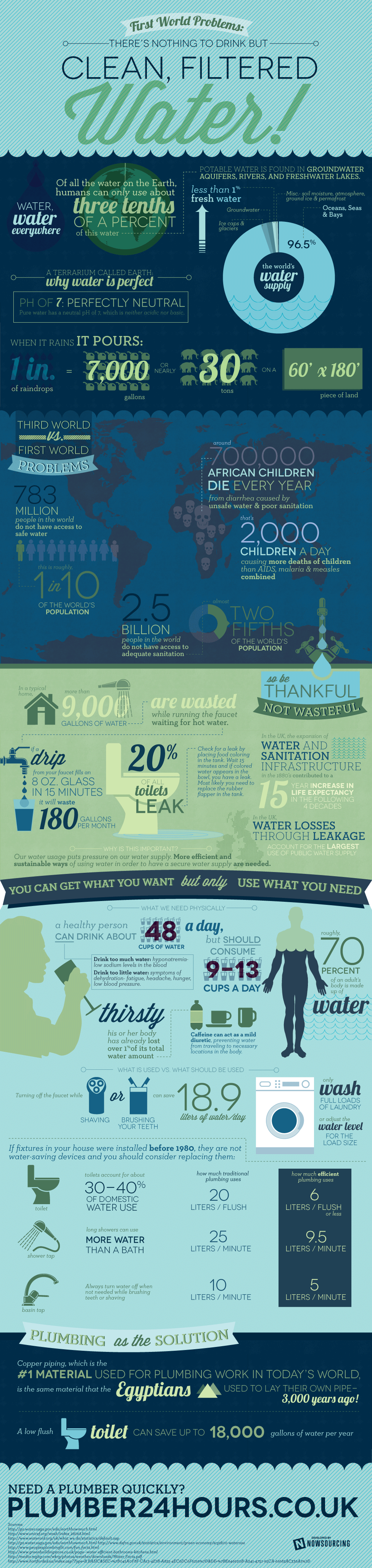
Ready to make plumbing work for you? Great, time to get started! Wait, how do you do that and how do you get started? Never fear, here are some plumbing tips! This collection of advice should provide you with just the right amount of knowledge and inspiration to do your own plumbing.
Wait until a job is done before you pay for it. You may be required to put some money down before a job is started, but never pay the total cost until you know the job has been completed correctly. If you pay everything up front, you have no recourse if the plumber doesn't finish the job or doesn't do it correctly.
You don't want to end up with frozen pipes, so take preventive action, such as wrapping outside pipes with insulation, and keeping indoor temperatures above freezing at all times. Your plumbing can freeze if the air around it is below 32 degrees. If Read Home Page are lucky, you will only experience a minor inconvenience until the pipes thaw. However, they might burst, which will cause an enormous mess and repair bill.
If your toilet is slow to flush, add some white vinegar to the overflow tube. White vinegar helps the water from your tank to flow quickly, which will make the toilet flush faster. It is recommended that you use about a quart of the vinegar and let it stay there for at least an hour before flushing.
To winterize a house that will sit unused during the winter months, you must completely drain all of the pipes. After turning off the main water supply, let all of the water drain from the faucets, toilets, and water heater (turn off the gas). Add a quart of antifreeze to sinks and the tub to prevent water from freezing in the drain trap.
Do not be surprised if a plumber charges you more than you expected. Many customers think that fixing a toilet or other drainage problem should be easy, therefore the price should be low. You must remember that not only does a plumber have to charge for labor, but they have to charge for parts that you need.
Some people have problems with their plumbing system in that the pipes sweat and drip condensation. You do not have to hire a plumber to take care of this nuisance. You can purchase self-adhesive drip tape from your local hardware store. This drip tape will insulate your "sweating" pipes which are dripping with moisture built up from condensation. To make sure the tape sticks firmly, dry the pipe thoroughly before applying the tape.
Make sure to pour a gallon or two of water into drains that are used infrequently. Not only does this make sure that they are clear when you need them, but can also fill the trap and make sure that unpleasant odors don't enter your home. Doing this periodically will also help you to catch problems before they become serious.
A sink with poor water pressure can often be corrected by cleaning the built-up sediment out of the aerator. Remove the aerator, and then take it apart so it can be cleaned with a brush that has been dipped in vinegar. Rinse it and put it back on the faucet. By removing any grit, grime and debris from the aerator, the water pressure should significantly increase.
Have your pipes in your plumbing system frozen? You can skip the cost of hiring a plumber by using this method. First, open the faucet so steam produced by the thawing process can escape. Begin thawing close to the faucet, and move down the line as each section thaws out. Use a hair dryer or a heat lamp to warm along the pipe. Even though this method consumes quite a bit of time, it is safer than most other heating methods. Furthermore, it requires no cleanup.
If you own property where the temperature gets below freezing for an extended amount of time each year, you should make sure that pipes located in unheated areas, such as crawl spaces and garages, are insulated. Pipes that are exposed to the outside elements or those that are prone to freezing, should be protected by heat tape or thermostat-controlled heat cables to prevent them from freezing.
Clean out plugs can be extremely tricky to remove; they tend to stick easily. Here are two ways you can use to deal with a stubborn plug. First, you should try a hammer and chisel to loosen the clean out plug. The only other option is to chisel right through the clean out plug.
Governmental regulations sometimes prevent plumbers from actively providing maintenance to copper piping. If you have a calcium buildup in your copper piping, you are going to need to take care of this yourself. You have to get rid of all the water and add vinegar which eats away the calcium buildup out of copper pipes.
Plumbing problems can be a nightmare because of the destruction that plumbing leaks can cause. If you know just this one tip you'll find that you'll never have these nightmares again. Know where your main water valve is so you can quickly turn off your water supply and prevent water damage.
You should never dump grease, fat, or cooking oil down the drain. These fats and oils could solidify in cold pipes and clog your sink. Instead you should put the fats and oils in a dish and wait for it to solidify, then throw it away for garbage men to pick it up.
When facing temperatures below freezing in the winter it is important to leave the hot water dripping. This makes sure that the pipes don't freeze over and saves you the expensive repair of fixing and or entirely replacing a broken pipe. The slight cost of dripping hot water is well worth saving you from that large expense of replacing a broken pipe.
To lessen the amount of hair going into your home plumbing, thoroughly brush hair and use a body brush to remove loose body hair before entering the shower or bath. If http://technology.morningdispatcher.com/news/happy-customer-gives-midwest-plumbing-indianapolis-a-grateful-five-star-review-detailing-the-experience/0279285/ 's been a while since you have shaved your legs or face, use an electric razor to remove the longer hair, before shaving in the sink or shower.
Check for calcium and mineral deposits by turning on both the kitchen sink and the bathtub. If the volume of water is low, it may be time for you to replace pipes due to deposits of calcium and other minerals. Check the water pressure and consider calling a professional to handle the entire job.
In conclusion, it is important that you know how to take care of plumbing, but it is more important that you get your data from a reliable source. Use the great advice provided here and you will be more than happy that you took the time to do so.
